



What is coronary artery disease?
Your heart needs a steady flow of blood to stay healthy. Coronary artery disease (CAD) happens when the blood vessels that carry blood to your heart become narrow. This is often caused by a buildup of fat, cholesterol, and other substances called plaque. When these blood vessels narrow, less blood can reach your heart.
You may be more likely to develop CAD if you smoke, have high cholesterol, high blood pressure, diabetes, excess body weight, or a family history of heart disease.
Some people with CAD are treated with a stent. A stent is a small metal mesh tube that helps keep a blood vessel open so blood can flow through it.
Can an artery become narrow again after a stent?
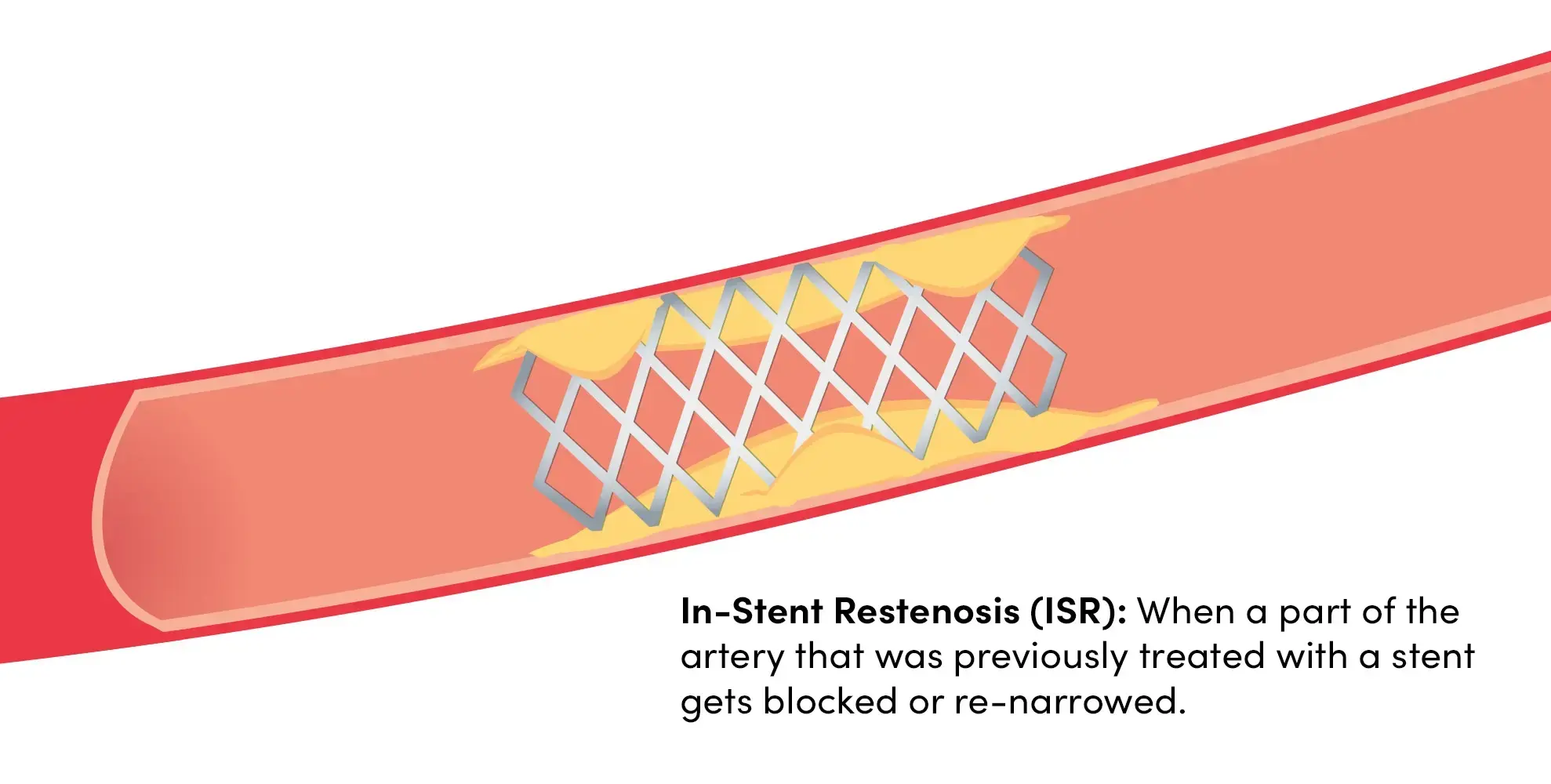
Sometimes an artery can become narrow again after a stent is placed. This can happen when tissue grows inside the stent or when the artery becomes blocked again. Doctors call this in-stent restenosis (ISR). When this happens, less blood may reach your heart, and you may need more treatment.
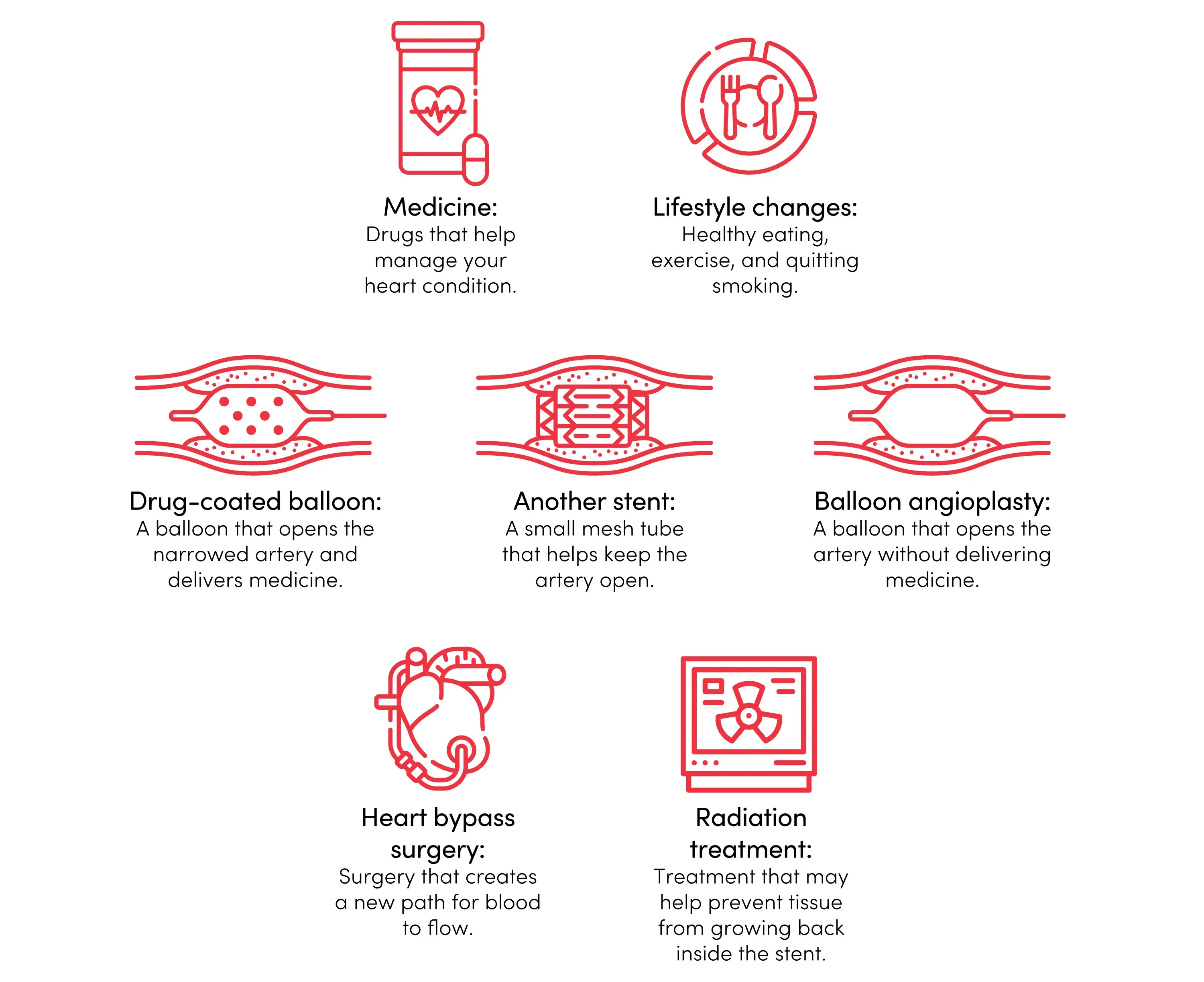
What are my treatment options?
If an artery becomes narrowed again after a stent, there are several ways to treat it. Your doctor can help you understand which options may be right for you.
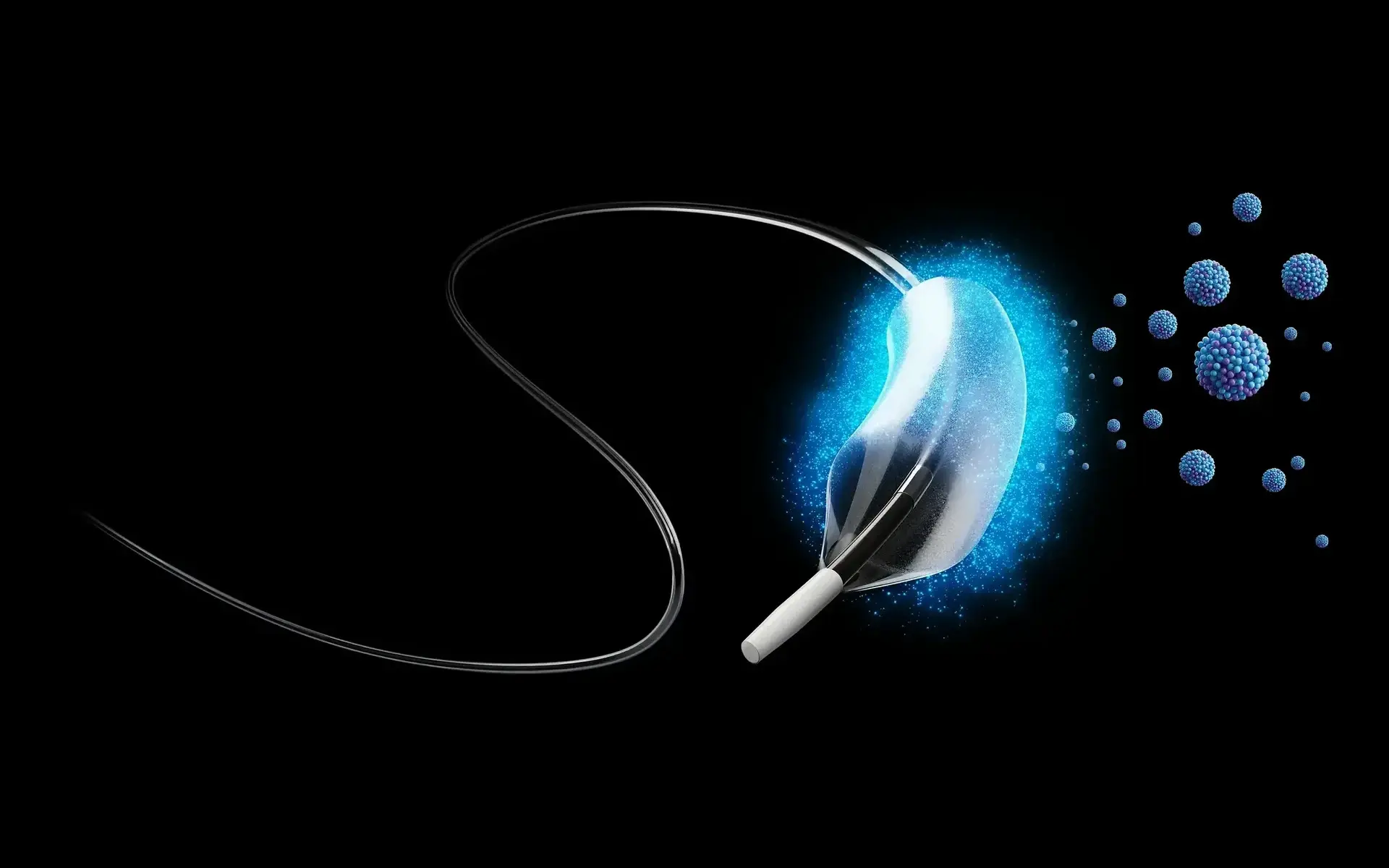
What is the SELUTION SLR Drug-Eluting Balloon?
SELUTION SLRTM Drug-Eluting Balloon (DEB) is a drug-eluting balloon used to treat an artery that has become narrowed after initial treatment(s) with a stent. The balloon is coated with a drug called sirolimus. During treatment, the balloon opens the narrowed area and delivers the drug to the artery wall. The drug helps reduce the chance the artery will narrow again. Unlike a stent, the balloon is removed after treatment. No new metal is left behind.
How does the drug work?
Sirolimus is a drug that helps slow the growth of tissue which can narrow an artery. SELUTION SLR DEB delivers this drug directly to the artery wall when the balloon is inflated.
Who may be treated with SELUTION SLR DEB?
SELUTION SLR DEB is used to treat heart arteries that have been treated with a stent and become narrow again. It helps improve blood flow and delivers sirolimus to the artery wall without leaving another layer of metal behind. Your doctor can help you decide if this treatment may be right for you.
Has SELUTION SLR DEB been studied in patients?
SELUTION SLR DEB was studied in a clinical trial called SELUTION4ISR. This study included 418 patients whose heart arteries had become narrowed again after receiving a stent. Researchers followed patients for 12 months to learn about the treatment’s safety and how well it worked.
The study compared SELUTION SLR DEB with other treatments doctors commonly use, including drug-eluting stents and balloon angioplasty (non-drug coated). After 12 months, patients treated with SELUTION SLR DEB had similar results to patients who received the other treatments studied.
The study showed SELUTION SLR DEB is a safe and effective option for treating heart arteries that have narrowed again inside a stent.

What are the possible benefits?
SELUTION SLR DEB is designed to open an artery that has become narrowed again inside a stent and help improve blood flow to your heart.
Unlike a stent, a drug-eluting balloon is removed after treatment. No new metal is left behind. This may help keep future treatment options open.
What happens during the procedure?
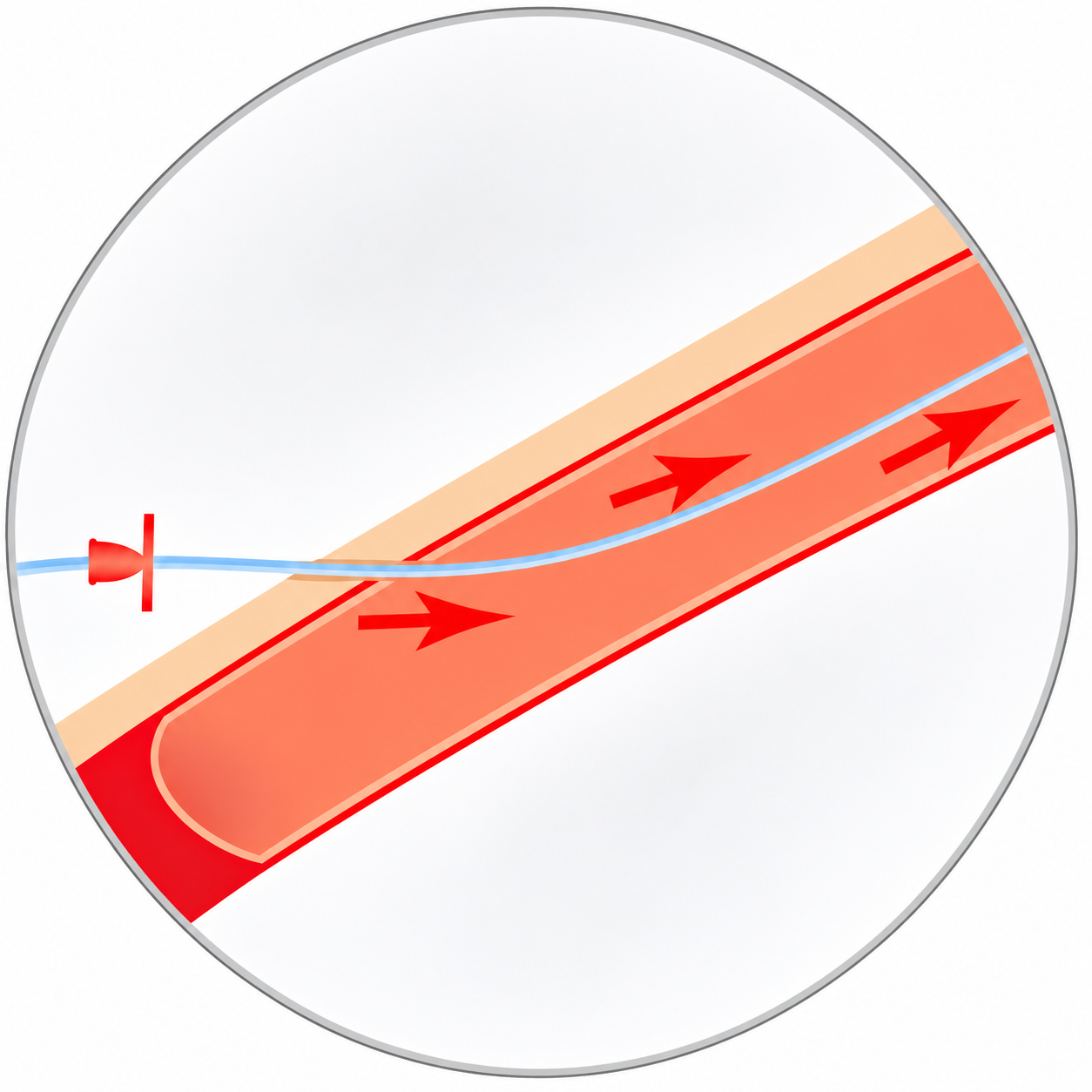
Step 1: Getting Ready
You will be given medication to help you relax. The device insertion site (usually the wrist or groin) will be cleaned and numbed with local anaesthesia. Your doctor will make a small opening with a needle in your skin to gain access to the artery.
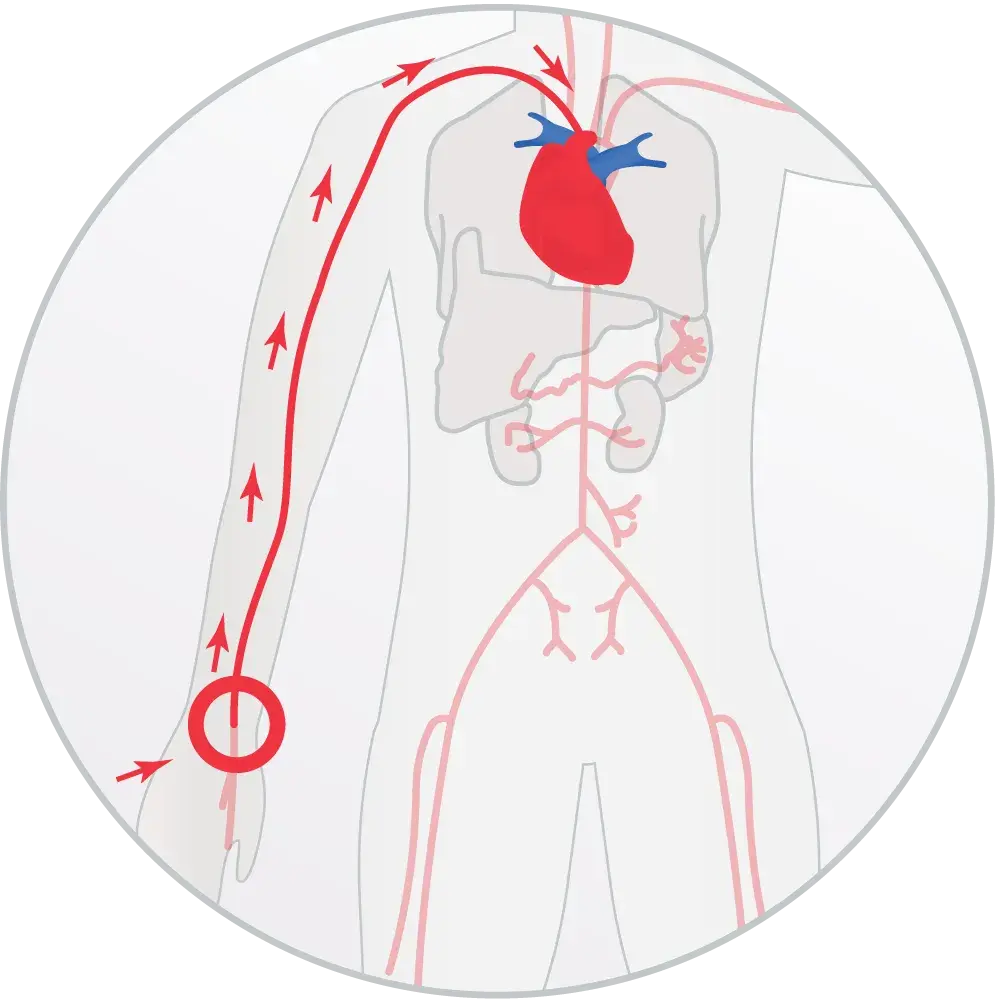
Step 2: Reaching the artery.
Your doctor will guide a thin tube through a blood vessel to the narrowed area of your heart artery. A special dye may be used to help your doctor see the artery. Your doctor will then prepare the narrowed area for treatment.
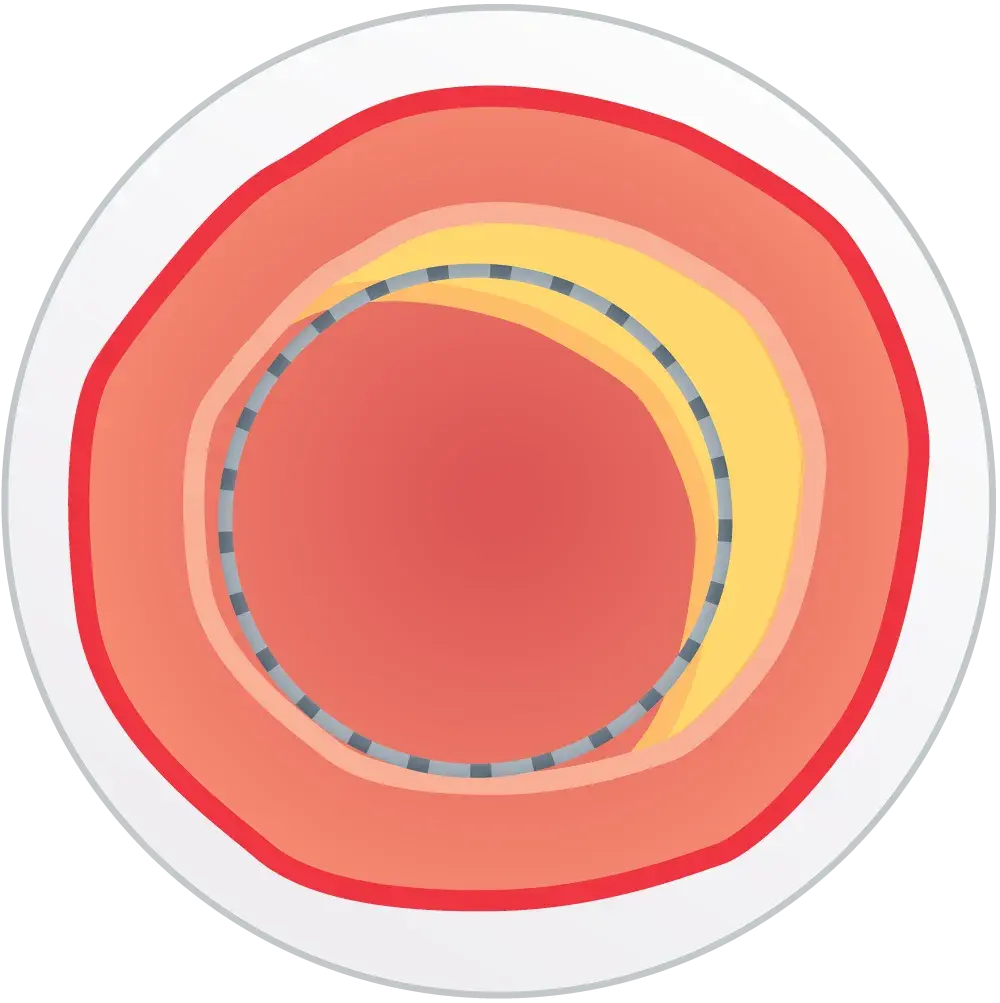
Step 3: Placing the balloon.
When the doctor is satisfied that the vessel is properly prepared and blood flow is adequate, the drug-eluting balloon will be inserted.
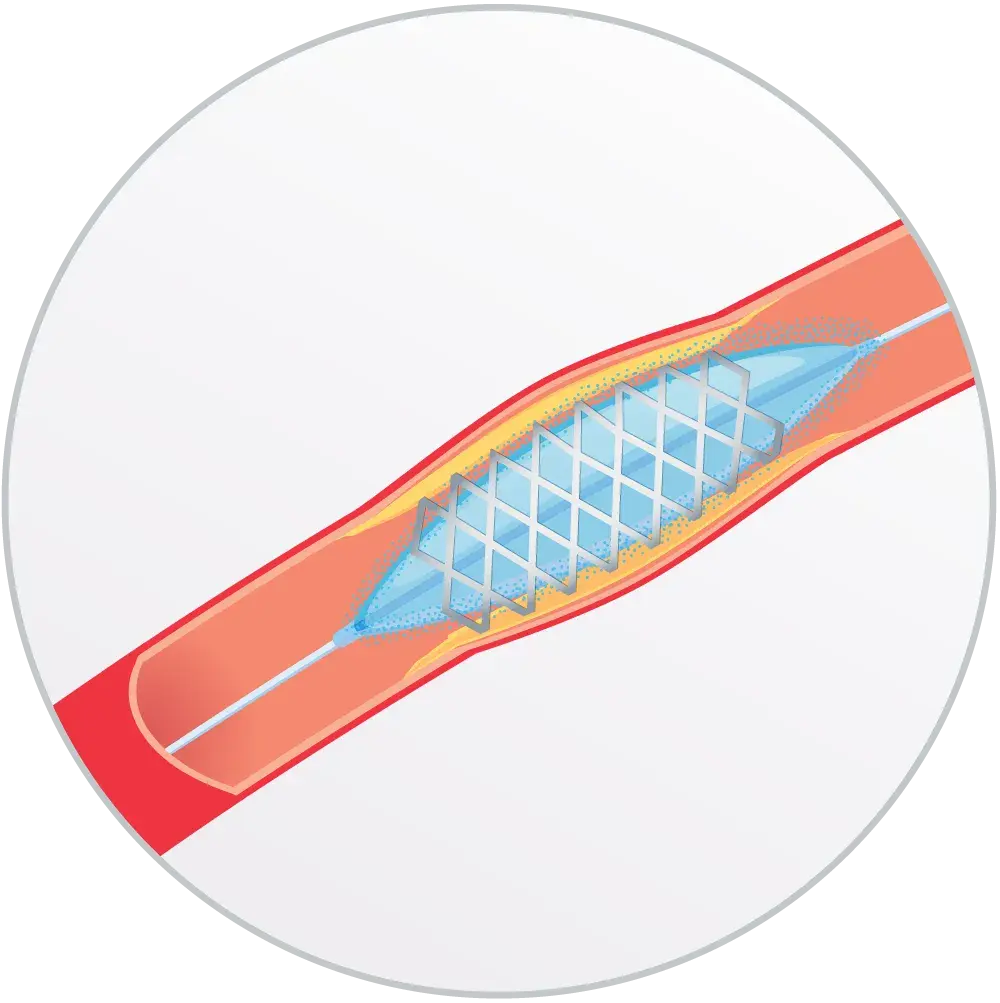
Step 4: Treating the artery.
The balloon is inflated to open the narrowed area and deliver drug, sirolimus, to the artery wall. The balloon is then deflated and removed. Your doctor will close the area where the tube was placed. The drug will be absorbed into the artery and helps reduce the chance that the artery will narrow again.

What can I expect after treatment?
- You will rest in a recovery area while your care team checks on you. You may stay for several hours or overnight.
- You may feel sleepy from the medicine used during treatment. This should wear off in a few hours.
- Your care team will check your blood pressure, heart rate, and the area where the tube was placed.
- Your doctor may ask you to drink fluids to help clear the dye from your body.
- You may need to lie flat for several hours to help the area heal.
- Tell your care team if you have pain, bleeding, swelling, or discomfort where the tube was placed.
- Take any medications as directed. Follow your doctor’s instructions for rest and activity. Keep all follow-up appointments.
How can I keep my heart healthy?
Coronary artery disease is a long-term condition. There is no cure, but treatment and healthy habits can help you manage it.
The American Heart Association recommends healthy habits such as:
Quit smoking and avoid tobacco
Keep your blood pressure and blood sugar under control
Work toward a healthy weight
Stay active
Find ways to manage stress
Choose heart-healthy foods
Small changes can make a difference. Talk to your care team about ways to protect your heart and improve your health.
* For more about American Heart Association healthy lifestyle changes, please visit bit.ly/AHA-lifestyle
Like any heart procedure, treatment with SELUTION SLR DEB has possible risks. Some risks can be serious.
|
|
The drug on the balloon, called sirolimus, also has possible side effects. Keep the complete approved drug-related risk list. Talk with your doctor about the possible benefits and risks before treatment.
|
|
SELUTION SLR DEB may not be the correct treatment option for everyone. You should not receive this treatment if any of the following apply to you:
- You have known allergies or reactions to sirolimus
- You are unable to take recommended medications prescribed before, during, or after the procedure
- Your narrowed artery is in the head or neck
- Your narrowed artery is in the left main artery that supplies blood to the heart, which has not been treated or protected
- You have blood vessel spasms (sudden narrowing of the artery) without asignificant blockage
- You are pregnant, breastfeeding, planning to become pregnant, or father a child
Diabetes: A condition that causes too much sugar to stay in your blood.
Obesity: Having excess body fat can raise your risk of health problems.
Coronary artery: A blood vessel that brings oxygen-rich blood to your heart.
Balloon catheter: A thin tube with a small balloon at the end.
Sirolimus: A drug that helps slow tissue growth that can narrow an artery.
Percutaneous Transluminal Coronary Angioplasty (PTCA): A procedure that uses a small balloon to open a narrowed heart artery and improve blood flow.
Drug-coated balloon: A balloon that opens a narrowed artery and delivers drug to its wall.
Stent: A small mesh tube placed inside an artery to help keep it open. Some stents also release medicine.